The Playbook · Leadership & team culture
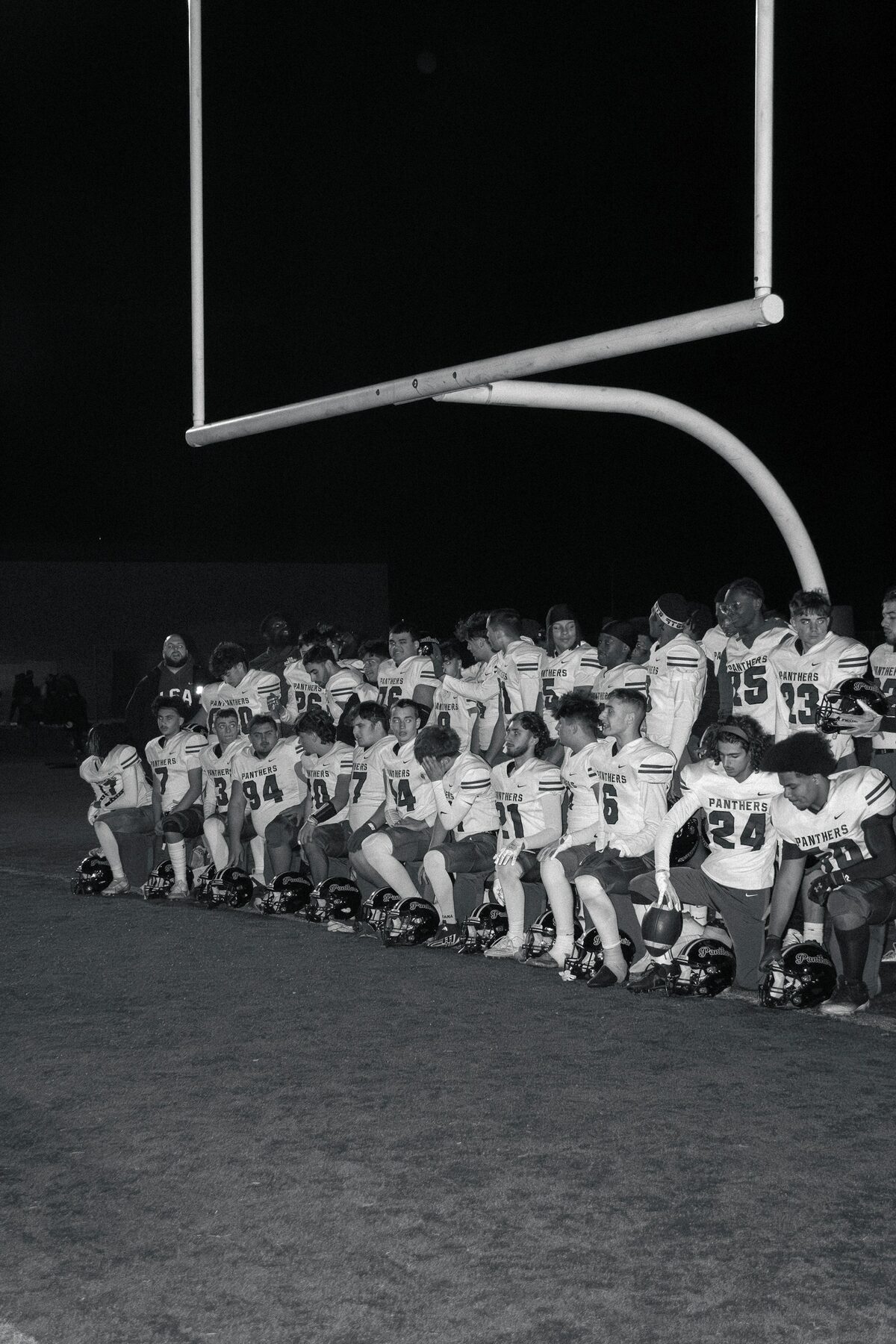
Every team wants to perform. Every organisation wants talented people, strong results and a winning culture.
But putting talented individuals together does not automatically create a high-performing team.
I have seen through coaching that performance depends on much more than individual ability. It depends on the standards people share, the trust they build and the expectations they hold one another accountable to.
A team culture is not what is written on the wall. It is what happens every day.
It is how people communicate when things go wrong. Whether individuals take responsibility or look for someone to blame. Whether standards apply to everyone or only to certain people. And whether people feel respected enough to contribute, challenge and grow.
As a coach, I believe in being direct, honest and demanding. People deserve to know where they stand and what is expected of them. But high standards should never come at the expense of dignity and respect.
You can challenge someone without diminishing them. You can demand accountability while creating an environment where people feel accepted and trusted.
This matters in business just as much as it does in sport.
A leader cannot build a strong culture through speeches alone. Culture is reinforced through everyday decisions and behaviour.
Three questions every leader should consider:
The strongest teams are not simply teams with talented people. They are teams where people understand the standard, take ownership of their contribution and trust one another to deliver.
The standard is not what you say. It is what you consistently accept, demonstrate and reinforce.
Performance is important. But the way you bring people along determines the kind of culture you build.
Talent is a great starting point. It can open doors, attract attention and create opportunities. But talent alone does not guarantee performance.
One of the most important lessons I have learned through sport and life is that you have to own your story.